Fixing the Blockage: Tackling Writer’s Block
Published on 25/10/2023


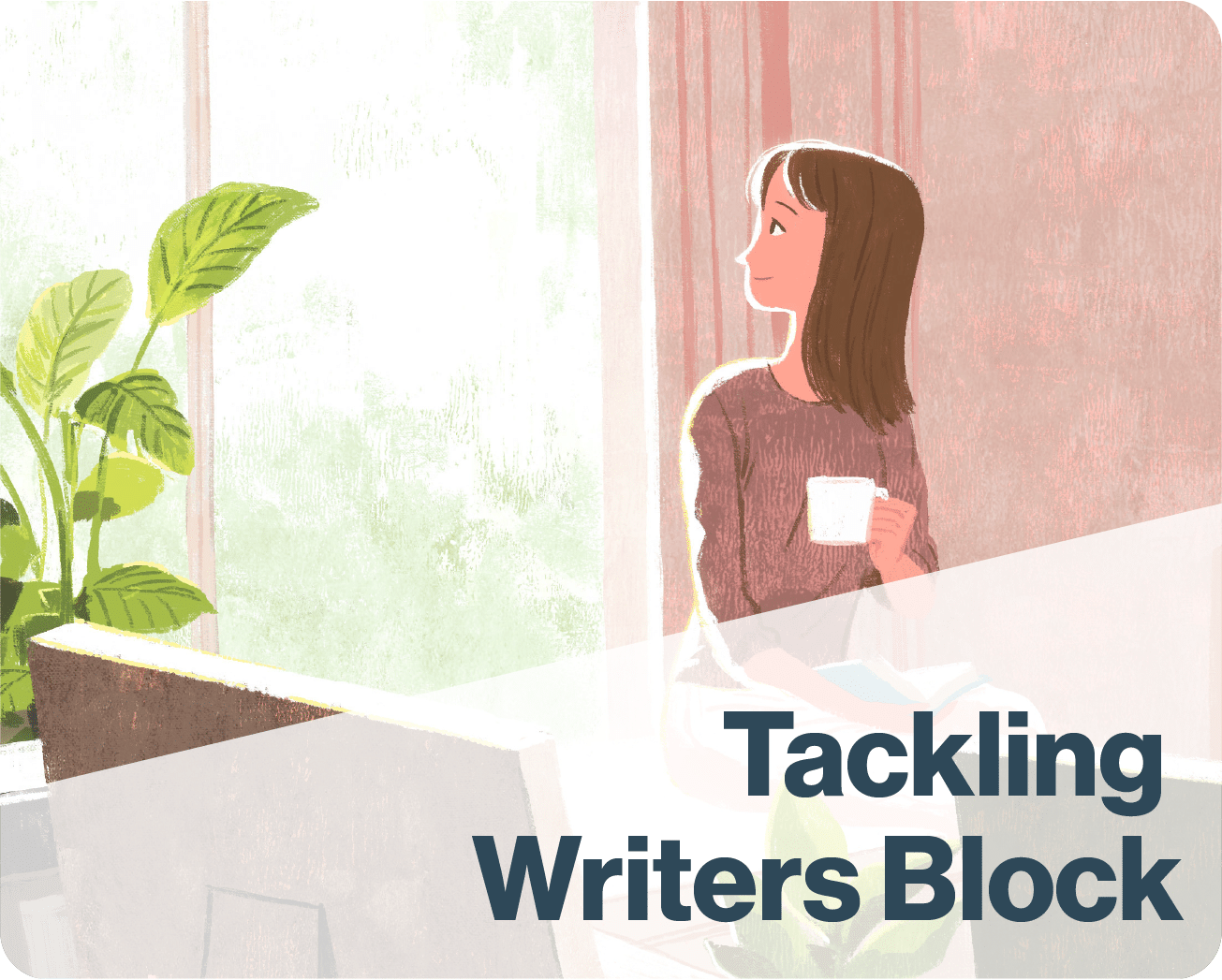
Illustration by Astound US Inc. illustrator Bao Luu
Fixing the Blockage: Tackling Writers Block
Teacher: Lil Chase, Caroline Wakeman Literary Agency Senior Editor
There are two types of writer’s block: there’s the type where you need inspiration for something new. (We’ll deal with ‘finding inspiration’ in another post.)
Then there’s the type where you’re working on a story and you run out of steam mid-flow. That’s a tricky one to handle, and that’s what we’re going to look at now. Try these tips next time you hit writer’s block in the middle of a project.
- Take a break. A week or two off the project, then returning with fresh eyes, will do you a world of good.
- Write a plan. It’s never too late to write – or rewrite! – a storyline. Then you know what’s going to happen next.
- ‘Don’t get it right, get it written.’ Often what’s holding us back is the worry that what we produce won’t be any good. So free yourself from that worry! Accept that the first draft will almost certainly be a load of dross… Fix it later.
- Have a goal. By this, I mean your protagonist must have a goal. It’s hard to stay enthused as a writer (let alone a reader!) if your character is drifting around with stuff happening to them. But if they are going after something, and things keep getting in their way, you have a target, and a place to get to.
- Reassess. If you’ve done all this and you’re still struggling, then it might be that your original idea isn’t good enough. (Sorry!) If you’re not excited by it as the writer, then a reader isn’t likely to be excited either.But don’t despair, shelving a project is never wasted work. You can reuse characters, situations, and worlds. At the very least, you have worked out what you don’t like to write – now get to work on something you love and watch the words come pouring out of you!
Try these tips the next time you get stuck with writer’s block in the middle of a project!
For more free tips for how to improve your writing for children’s books subscribe to our ITSme Learning Newsletter!
Other News
Secrets from the Talent Scouts
Featured illustration by Maria Teresa Palladino. Submitting your work to an illustration agency can feel daunting, especially when you are unsure what happens once you press send. After reviewing a large number of applications, we have gathered a few simple tips to help your submission feel thoughtful, personal and memorable Make it Personal We love…
What Do Agents Look For? Insights From Three Recent Signings
Finding the right agency for you goes far beyond simply being signed. It’s about finding a place where your work can grow, where you can collaborate with great clients on projects that truly resonate with you, and where you can build a sustainable income out of what you love. At ITSme, we help illustrators find…
How to Build an Illustration Portfolio Without Client Work
“I don’t have any client work, what do I even put in my portfolio?” This is one of the more common worries we hear from illustrators who are new to developing their portfolios, but we want to encourage you to reframe this question: Having no client work isn’t a weakness, try to view this as…
Are There Snakes in Your Folio? How to Spot Them Before an Art Buyer Does
What to include in an illustrator portfolio and how to spot snakes! (In the children’s publishing and decorative market) Art directors scan agency portfolios and websites rapidly. They are mentally processing the acquisitions list they’re looking to fulfil, remembering what the rights team said sells well in a particular market, and giving serious artistic consideration…
How to Get Your Illustration Work Seen
Are you an illustrator looking for open calls and opportunities? The work is out there, and you are not invisible, although sometimes in such a competitive environment, we understand it is natural to worry that you are going unseen. The fact is, you just need to know where to look and how to show up…
Why Graphic Novels Are Booming – and Why Now Is the Time to Get Them Into Your Portfolio
Graphic novels are having a moment and it’s no passing trend. From classrooms to bestseller lists, graphic novels are dominating shelves and reading time across all ages. What was once seen as a niche format with a distinct, heavy-lined “comic book” aesthetic has exploded into a dynamic, expressive medium that spans every style and genre…