Why Using AI in Art Briefs Can Stifle Creativity
Published on 24/02/2025



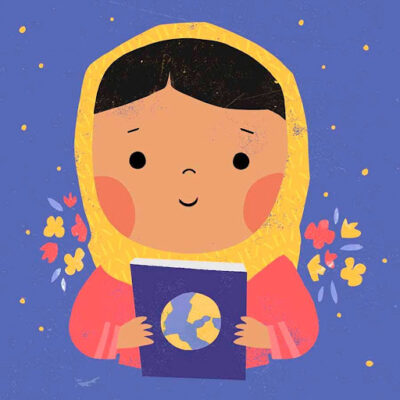
Illustration by Beth Goody.
By: Edward Burns CEO, ITSme
AI art tools such as Midjourney or Flux are becoming more and more capable, and that fact is impossible to ignore. With these developments, it can be tempting to use AI-generated art as reference material when briefing a project. While AI has its uses, we at the ITSme Group feel that using AI-generated art in art briefs can stifle creativity more than encourage it. This can result in narrower, shallower, less original deliverables. We believe that the strength of human creativity and interpretation far outperforms anything an AI could inspire.
We know that you respect the work of artists as authentic creators, and it may seem like providing precise AI art as references can only make an artist’s life easier. The problem is that AI art is merely a literal interpretation of prompts and keywords. The product may look pleasing, but it’s often surface-deep and tends to provide little in the way of inspiration. In fact, it can confuse the message for the artist more than clarify it. An artist may be prompted to try to imitate that art – even when their own interpretation might be brighter, better, and far more appealing.
We all know that art is subjective. We rely on that subjectivity – the artist’s experiences and feel for the market, their human empathy and imagination – to generate art that resonates with audiences and give us something totally unique.
We’ve seen this before: If you brief two artists with the same AI reference art, you’re likely to get two slightly different versions of the same thing. If you allow two artists to interpret the brief and deliver art in their own authentic brands, you’re likely to get two vastly different products that equally meet, or even surpass, your expectations – products that human buyers are drawn to. It is the depth of human experience that makes a piece of art appeal.
It’s also true that client and artist relationships go both ways. AI art can make a professional illustrator feel unappreciated and undermined, even just as example art. And worse, if a client gets attached to aspects of the AI art, there can only be disappointment on both sides.
For these reasons, the ITSme Group encourages clients to stick to more traditional methods of briefing, and avoid the temptation of including AI-generated artwork. We trust that our artists know how to interpret your needs.
For more free tips for how to improve your creative skills, subscribe to our ITSme Learning Newsletter! Or take a look at our courses here.
Other News
Secrets from the Talent Scouts
Featured illustration by Maria Teresa Palladino. Submitting your work to an illustration agency can feel daunting, especially when you are unsure what happens once you press send. After reviewing a large number of applications, we have gathered a few simple tips to help your submission feel thoughtful, personal and memorable Make it Personal We love…
What Do Agents Look For? Insights From Three Recent Signings
Finding the right agency for you goes far beyond simply being signed. It’s about finding a place where your work can grow, where you can collaborate with great clients on projects that truly resonate with you, and where you can build a sustainable income out of what you love. At ITSme, we help illustrators find…
How to Build an Illustration Portfolio Without Client Work
“I don’t have any client work, what do I even put in my portfolio?” This is one of the more common worries we hear from illustrators who are new to developing their portfolios, but we want to encourage you to reframe this question: Having no client work isn’t a weakness, try to view this as…
Are There Snakes in Your Folio? How to Spot Them Before an Art Buyer Does
What to include in an illustrator portfolio and how to spot snakes! (In the children’s publishing and decorative market) Art directors scan agency portfolios and websites rapidly. They are mentally processing the acquisitions list they’re looking to fulfil, remembering what the rights team said sells well in a particular market, and giving serious artistic consideration…
How to Get Your Illustration Work Seen
Are you an illustrator looking for open calls and opportunities? The work is out there, and you are not invisible, although sometimes in such a competitive environment, we understand it is natural to worry that you are going unseen. The fact is, you just need to know where to look and how to show up…
Why Graphic Novels Are Booming – and Why Now Is the Time to Get Them Into Your Portfolio
Graphic novels are having a moment and it’s no passing trend. From classrooms to bestseller lists, graphic novels are dominating shelves and reading time across all ages. What was once seen as a niche format with a distinct, heavy-lined “comic book” aesthetic has exploded into a dynamic, expressive medium that spans every style and genre…