International Trends: Korean Children’s Book Market
Published on 05/06/2023


International Trends: Korean Children’s Book Market
Teacher: Yeeun Kim, Yeon Agency
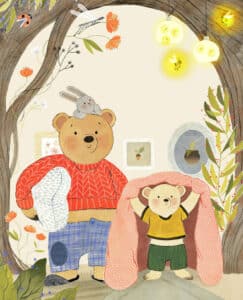
There are a variety of prominent themes for children’s books in South Korea. One of the steady, best-selling themes is still Fairy Tales: Korean traditional tales, Andersen’s Fairy Tales, and Grimm’s Fairy Tales. Warm and traditional media styles of illustrations tend to be hired for this genre of children’s books. This style is also often used in storybooks and child’s therapy where they foster children’s manners as well as their mental and emotional health.
 Korea is known for competitive education and parents would like to have their young children learn and experience new things from a very young age. This way they can naturally build learning and studying habits as they grow up. So for publishers to meet parents’ needs, they have started to focus more on creating high-quality content to build children’s exploration, observation, creativity, thinking, and EQ development.
As the content of the picture books gets difficult and informative, the publishers prefer bright colors for a fun and pleasant atmosphere in the book to keep the children’s attention and successfully convey the knowledge.
A Tip for Illustrators
Once you are hired on a job, it is important to build strong trusting relationships with your clients and to provide good illustrations in the style of your portfolio (that’s why they hired you, after all)! The publishing community in Korea is very small, which means editors know one another, and being true to your style, and being a communicative and on-time illustrator means a lot when they consider hiring you for future titles.
They recommend illustrators to their friends in the industry and they do check their competitors’ books and check the illustrators if they find artwork interesting.
For more free tips for how to improve your illustration portfolio, subscribe to our ITSme Learning Newsletter!
Other News
Secrets from the Talent Scouts
Featured illustration by Maria Teresa Palladino. Submitting your work to an illustration agency can feel daunting, especially when you are unsure what happens once you press send. After reviewing a large number of applications, we have gathered a few simple tips to help your submission feel thoughtful, personal and memorable Make it Personal We love…
What Do Agents Look For? Insights From Three Recent Signings
Finding the right agency for you goes far beyond simply being signed. It’s about finding a place where your work can grow, where you can collaborate with great clients on projects that truly resonate with you, and where you can build a sustainable income out of what you love. At ITSme, we help illustrators find…
How to Build an Illustration Portfolio Without Client Work
“I don’t have any client work, what do I even put in my portfolio?” This is one of the more common worries we hear from illustrators who are new to developing their portfolios, but we want to encourage you to reframe this question: Having no client work isn’t a weakness, try to view this as…
Are There Snakes in Your Folio? How to Spot Them Before an Art Buyer Does
What to include in an illustrator portfolio and how to spot snakes! (In the children’s publishing and decorative market) Art directors scan agency portfolios and websites rapidly. They are mentally processing the acquisitions list they’re looking to fulfil, remembering what the rights team said sells well in a particular market, and giving serious artistic consideration…
How to Get Your Illustration Work Seen
Are you an illustrator looking for open calls and opportunities? The work is out there, and you are not invisible, although sometimes in such a competitive environment, we understand it is natural to worry that you are going unseen. The fact is, you just need to know where to look and how to show up…
Why Graphic Novels Are Booming – and Why Now Is the Time to Get Them Into Your Portfolio
Graphic novels are having a moment and it’s no passing trend. From classrooms to bestseller lists, graphic novels are dominating shelves and reading time across all ages. What was once seen as a niche format with a distinct, heavy-lined “comic book” aesthetic has exploded into a dynamic, expressive medium that spans every style and genre…